
Header top telephone number
- Clinic Appts218-927-2157
- Hospital218-927-2121
- Sign in toMyChart
- Online Scheduling
- Apply now!Careers


Header top telephone number
- Clinic Appts218-927-2157
- Hospital218-927-2121
- Sign in toMyChart
- Online Scheduling
- Apply now!Careers

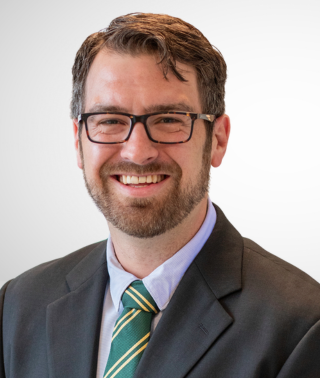
Erik Severson, MD
Dr. Severson serves as Total Joint Program Medical Director and oversees the Rapid Recovery Program, a leading-edge joint replacement protocol with proven outcome enhancements for patients. With fellowship training at the Mayo Clinic in orthopaedic surgery, his practice focuses on primary hip and knee replacements, as well as the more complex procedures of revision of hip and knee replacements.
Hip Conditions We Treat
If hip pain is impacting your ability to do the activities you enjoy, schedule an appointment with our orthopaedic team of experts to develop a care plan that meets your needs. Our team is here to support you and get you back to healthy and active again.
With age and use, the cartilage can wear down or become damaged . Muscles and tendons in the hip can get overused. Bones in the hip can break during a fall or other injury. Any of these conditions can lead to hip pain and simple tasks like walking or sitting down can impact your quality of life.
Our orthopaedic experts prioritize non-surgical methods such as injections, medication, and physical therapy to alleviate hip pain. If surgery becomes necessary, we opt for minimally invasive techniques to minimize recovery time, and reduce scarring.
Hip arthritis is deterioration of the cartilage of the hip joint. It’s a common condition that can be painful and worsen over time, affecting your mobility and quality of life. The most common cause is age-related wear and tear in the hip joint. When cartilage is damaged, it becomes rough. Thinning of the cartilage narrows the space between the bones. In advanced cases, bone rubs on bone causing pain and stiffness with movement and can also lead to bone spur formation.
Bursitis is a painful condition that affects the small, fluid-filled sacs called bursae that cushion the bones, tendons and muscles near your joints. Bursitis occurs when bursae become inflamed. If you have bursitis in your hip, you may have sharp and intense pain in the early stages at the point of the hip and extending to the outside of the thigh area. Later, the pain may become more of an ache and spread across a larger area of the hip. Typically, the pain is worse at night, when lying on the affected hip, and when getting up from a chair. It may get worse with prolonged walking, stair climbing, or squatting.
A hip fracture is a break in the upper portion of the femur (thighbone). Hip fractures can be very painful.
A hip impingement is a condition when extra bone grows along one or both of the bones that form the hip joint – giving bones an irregular shape. Because they do not fit together perfectly, the bones rub against each other during movement. Over time this friction can damage the joint leading to pain and limiting activity. With hip impingement, you may feel pain in the groin area, experience stiffness or a limp. Turning, twisting, or walking may cause a sharp stabbing pain. Sometimes the pain is just a dull ache.
Avascular Necrosis is the death of bone tissue due to a lack of blood supply. A broken bone or dislocated joint can stop the blood flow to a section of bone. It can also be caused by long-term use of high-dose oral steroid medications, severe arthritis, and drinking too much alcohol.
Surgical Solutions
Our fellowship-trained orthopaedic surgeon and team provide a team based approach combining cutting-edge techniques with compassionate and personalized care to ensure the best possible outcomes for our patients. Whether you’re struggling with chronic pain, injury, or degenerative conditions, we’re here to guide you toward a future of strength, flexibility, and vitality for an enhanced quality of life.
Rapid Recovery, an innovative medical protocol developed by Dr. Erik Severson and introduced in 2013, leads to faster recovery, less pain, and excellent patient outcomes getting you back to living a healthy and active life again.
Riverwood Healthcare Center’s Dr. Erik Severson is one of the first orthopaedic surgeons in the nation to be performing hip replacement surgery with the VELYS Hip Navigation System. VELYS™ Hip Navigation System with advanced technology ensures Dr. Severson has the information and tools to perform accurate and precise hip replacement because every hip is different as is every patient requiring hip replacement.
Rapid Recovery, an innovative medical protocol developed by Dr. Erik Severson and introduced in 2013, leads to faster recovery, less pain, and excellent patient outcomes getting you back to living a healthy and active life again.
Riverwood Healthcare Center’s Dr. Erik Severson is one of the first orthopaedic surgeons in the nation to be performing hip replacement surgery with the VELYS Hip Navigation System. VELYS™ Hip Navigation System with advanced technology ensures Dr. Severson has the information and tools to perform accurate and precise hip replacement because every hip is different as is every patient requiring hip replacement.
The anterior approach is our standard approach for hip replacement. Total hip replacements are primarily performed to alleviate severe arthritis, fractures, and certain bone abnormalities. Candidates for this surgery typically experience pain that hinders daily activities, cannot be managed with medications or supportive devices like canes or walkers, or have significant hip stiffness.
Hip replacement surgery is a major procedure, with an average recovery time of six to 12 weeks. The surgery involves replacing the femoral head and acetabulum (hip socket) with five components: the cup is press-fitted into the pelvis after arthritis removal, a polyethylene liner is placed for smooth movement, and a stem is inserted into the femur to hold the femoral head, followed by attaching a neck to accept the new femoral head.
Dr. Erik Severson uses the VELYS Hip Navigation System which allows for greater surgical precision. This computer-guided tool gives him precise measurements for positioning the hip implant. Using this method, Dr. Severson can determine the precise leg length to give patients the best possible stability. This also allows for shorter operations with less time under anesthesia.
Are you feeling pain from a previous Total Hip Replacement? A Revision Total Hip Replacement occurs when you have a second operation to remove some or all of the parts of the original total hip replacement and replace with new.
Non-Surgical Solutions
Our team of orthopaedic specialists collaborate closely with patients to identify optimal treatment paths tailored to their condition, individual requirements, and lifestyle. We prioritize conservative, non-invasive approaches for managing and alleviating pain. Pain may be relieved through injections, lifestyle modifications, physical therapy, or plasma injections.
Our orthopaedic team includes experienced physical and occupational therapists who coach and guide patients’ before and after surgery. Therapists help our surgery patients get up and walking on the day of surgery and set a schedule for ongoing therapy. The day after surgery patients will receive therapy in the morning and afternoon.
Our physical therapists can help with reducing pain, increasing strength, balance and walking, and transfers as well as learning to use mobility equipment such as crutches, canes or walkers.
Occupational therapy helps those whose lives have been disrupted by injury, disease, the aging process, or developmental problems. The fundamental goal of therapy is to use purposeful activities or interventions that will help restore independent and meaningful lives.
Non-steroidal anti-inflammatory medicines are used to relieve pain and reduce inflammation.
Steroid injections, also called corticosteroid injections, are anti-inflammatory medicines used to reduce inflammation and relieve pain. Steroid injections can be administered into joints, such as the knee to reduce inflammation and alleviate pain associated with conditions like arthritis, tendonitis, or bursitis. The injections usually take a few days to start working, although some work in a few hours. It’s important to note that steroid injections are typically used as a short-term treatment to provide temporary relief from pain and inflammation. If you are having an injection to relieve pain, it may also contain local anesthetic. This provides immediate pain relief that lasts a few hours. You should be able to go home soon after the injection.
The iovera° treatment uses targeted cold to freeze a specific nerve, forming a tiny ice ball beneath the skin. This process halts the nerve’s ability to send pain signals through a natural process known as Wallerian degeneration. The effect is temporary and does not result in permanent nerve damage. Over time, the nerve heals and regains its normal function.
Steroid injections, also called corticosteroid injections, are anti-inflammatory medicines used to reduce inflammation and relieve pain. Steroid injections can be administered into joints, such as the knee to reduce inflammation and alleviate pain associated with conditions like arthritis, tendonitis, or bursitis. The injections can take up to three weeks to work to their full effect. It’s important to note that steroid injections are typically used as a short-term treatment to provide temporary relief from pain and inflammation. If you are having an injection to relieve pain, it will also contain local anesthetic. This provides immediate pain relief that lasts a few hours. You should be able to go home soon after the injection.
Viscosupplementation is a medical procedure used to treat osteoarthritis, particularly in the knee joint. It involves injecting a thick fluid called hyaluronic acid into the joint space to help lubricate and cushion the joint, thereby reducing pain and improving mobility. If you have tried all other non-surgical treatment methods and your pain continues to limit your activities, viscosupplementation may be an option.
The goal of viscosupplementation is to supplement the natural hyaluronic acid in the joint fluid, thereby improving lubrication, reducing friction, and relieving pain. It may also help reduce inflammation and protect the joint cartilage from further damage.
Viscosupplementation is most commonly used in individuals with mild to moderate osteoarthritis who have not responded adequately to other treatments such as oral pain medications, physical therapy, or corticosteroid injections. It is generally considered safe, although some individuals may experience temporary pain or swelling at the injection site.
OUR DEDICATED TEAM OF PROVIDERS
Erin Mason, Physician Assistant and Jeff Temple, Nurse Practitioner see patients in our Specialty Clinic in Aitkin for diagnosis, treatment, surgical consult, and post-operative care.
Matt Fleming and Tom Lewandowski are practicing Physician Assistants working closely with Dr. Severson in both clinic and operating room.
Matt Fleming and Tom Lewandowski are practicing Physician Assistants working closely with Dr. Severson in both clinic and operating room.



Schedule a visit
To schedule a visit call (218) 927-5181. During the scheduling of the visit you will be asked to review health history to gather important information and to determine next steps.
Clinic consult
A clinic consult with the orthopaedic team for evaluation of symptoms, ordering of appropriate labs, and to discuss therapies and/or injections. (conservative non-surgical approach) Initial imaging will take place prior to clinic consult.
Treatment Plan
Your treatment plan will include a team based approach to care discussing the best option for you, the patient. Both surgical and non-surgical options will be discussed along with follow-up imaging and non-surgical diagnostics \ interventions.
Real patients. Real stories.
New hip helps Hill City man enjoy active family, farm life
After experiencing two years of progressive hip joint pain Scott Solie of Hill City started looking for an orthopaedic surgeon to perform a total hip replacement. Solie shares his patient care experience at Riverwood Healthcare Center: “My wife’s brother had hip surgery in the Twin Cities, so I thought I had to go there for a major surgery like this. The 3-hour drive for multiple trips to the Twin Cities was going to be very inconvenient for both my wife and me. Then I learned from my family physician that we have one of the best orthopaedic surgeons for hip and knee replacements right here in Aitkin. I was so happy to learn that I could have my hip replacement surgery close to home with Dr. Erik Severson. We hit it off right away; he’s so easy to talk with and he gave me confidence that I would have a great surgery experience and outcome. I couldn’t believe how soon I was able to walk pain-free, just hours after my hip surgery. And the bonus is that back pain I’ve struggled with for years is gone too.” Seven weeks into his hip surgery recovery, Solie was able to enjoy a youth deer hunt near Quadna Mountain in the Hill City area where he lives. After raising five children who are now adults, Solie and his wife, Deanna, have an adopted 2-year-old son, Luke. The Solie’s had raised Luke’s birth mother, who they had adopted along with seven other girls over the years. They are currently caring for six foster children. Solie adds, “As a 56-year-old semi-retired farmer I now have the time and energy to care for Luke, who is a total gift from God. I’m looking forward to sharing my love of outdoor activities with him in the years ahead.”
Hip replacement a huge success
By the time Jon Padgett, current snowmobile racer, came to Riverwood Healthcare Center to get his right hip replaced 10 years ago, walking had become a difficult task that he faced every day. In the mid-1980’s, Jon was in a motorcycle accident that caused his hip to give him pain and mobility difficulties. As time went on, he decided it was time to seek a medical solution. Jon, who resides in Brainerd, sought the best care in Minnesota, which led him to Dr. Erik Severson, orthopaedic surgeon specializing in hip and knee replacements who practices with the Minnesota Center for Orthopaedics at Riverwood. Not only did he look for medical experience and skill, but for personality and character, too. “I had seen five doctors prior to Dr. Severson, but I didn’t want to do my hip replacement with any of them,” Jon explained. “The surgery had to be done regardless, so I thought that I might as well go to the doctor with the best reputation and personality.” “Dr. Severson advised me that he had done hundreds of surgeries in that year alone. He was very easy to talk to and was personable and honest about my procedure.” Jon added that Dr. Severson did a great job explaining what needed to be done before and after surgery, which included a variety of different workouts and stretches. Because Jon had a strong recovery, he was able to pick up a new hobby, all thanks to his new hip. “My post-surgery care and recovery was great,” Jon said. “Soon after, I picked up snowmobile racing at 55 years old. I have now traveled around the Midwest and raced my snowmobile for eight years, and I’ve won some championships.” Jon is now able to not only walk with no discomfort and race snowmobiles but enjoys time hiking and camping with his wife, Laurie. He plans to get his other hip replaced soon at Riverwood Healthcare Center.
My new choice for all of my healthcare needs
Riverwood and its employees are the best and most dedicated people that I have ever dealt with in the healthcare industry. They all listen to my concerns, and they are very thorough. It is my new choice for all of my healthcare needs!
The patient care and communication were outstanding
Nancy B. underwent two hip replacement surgeries at Riverwood Healthcare Center and was astonished by how quickly she was able to recover—walking the same day as both procedures. She was also treated for back pain and shares these comments on her care experience: “Without this surgery, I would have been confined to a wheelchair. Now I can walk up and down stairs and get in and out of a car with no difficulty. About a year later, I returned to Riverwood for a lumbar epidural steroid injection with Dr. Dan Lonergan to relieve ongoing back and leg pain. Once again, I was impressed by the exceptional care I received, both in the clinic and at the hospital. The patient care and communication were outstanding.”