
Header top telephone number
- Clinic Appts218-927-2157
- Hospital218-927-2121
- Sign in toMyChart
- Online Scheduling
- Apply now!Careers


Header top telephone number
- Clinic Appts218-927-2157
- Hospital218-927-2121
- Sign in toMyChart
- Online Scheduling
- Apply now!Careers

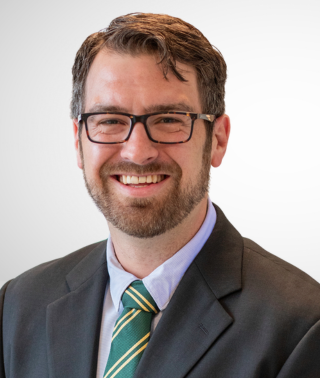
Erik Severson, MD
Dr. Severson serves as Total Joint Program Medical Director and oversees the Rapid Recovery Program, a leading-edge joint replacement protocol with proven outcome enhancements for patients. With fellowship training at the Mayo Clinic in orthopaedic surgery, his practice focuses on primary hip and knee replacements, as well as the more complex procedures of revision of hip and knee replacements.
Knee Conditions We Treat
Fellowship-trained orthopaedic surgeon, Dr. Erik Severson and team of physician assistants, nurse practitioners and physical therapists provide comprehensive care for the full spectrum of knee conditions and injuries. Cutting-edge procedures and world-class expertise leads to superior patient outcomes with a conservative, non-surgical approach first. When conservative measures do not give you the relief you need to perform daily activities our team of experts will work with you to develop a care plan with a team based approach that best meets your needs.
Knee pain is a common complaint that can affect people of all ages. Some of the most common knee pain is related to aging, injury or repeated stress on the knee. Other common problems include sprained or strained ligaments, cartilage tears, tendonitis, arthritis, gout and infections.
If you have an old knee injury that wasn’t properly treated, it may flare up now and then or hurt all the time. To diagnose a knee injury or chronic problem it may require a diagnostic procedure such as an x-ray, MRI, CT scan or arthroscopy. Non-surgical and surgical treatment options are available to treat knee pain depending on the severity of the knee condition.
Is knee pain keeping you from being as active as you might like? Knee arthritis can make it hard to do many everyday activities, such as walking or climbing stairs. It is a major cause of lost work time and a serious disability for many people.
Knee osteoarthritis, also known as degenerative joint disease of the knee, is typically the result of wear and tear and progressive loss of cartilage. In a healthy knee, the bones glide smoothly against each other. In a knee with osteoarthritis, bone rubs against bone rather than cartilage and bony bumps called “bone spurs” may form.
A knee joint affected by arthritis may be painful and inflamed. Generally, the pain develops gradually over time, although sudden onset is also possible. You may also experience stiff and swollen knee joint making it difficult to bend and straighten. Pain and swelling may be worse in the morning, after sitting or even resting. The knee may lock or stick during movement. It may creak, click, snap or make a grinding sound. You may feel a sense of weakness or buckling in the knee from the pain. And, many experience increased joint pain with changes in the weather.
Strong bands of tissue called “ligaments” help stabilize the bones that form the knee joint. When these ligaments are stretched or torn, your knee may become unstable. Sprains of the external (medial and lateral collateral) or internal (anterior and posterior cruciate) ligaments or injuries of the meniscus may be the result of knee trauma. You may experience pain, instability (with severe sprains), and locking (with some meniscal injuries).
Meniscus tears are among the most common knee injuries. Athletes, particularly those who play contact sports, are at risk for meniscus tears. However, anyone at any age can tear the meniscus. When people talk about torn cartilage in the knee, they are usually referring to a torn meniscus.
Symptoms may include pain in the knee, swelling, a popping sensation during the injury, difficulty bending and straightening the leg, and a tendency for the knee to get “stuck” or lock up.
A patellar fracture is a break in the patella, or kneecap, the small bone that sits at the front of your knee. Because the patella acts as a shield for your knee joint, it is vulnerable to fracture if you fall directly onto your knee, take a hard blow to the kneecap (during a football tackle, or if a baseball or softball strikes your knee at high speed), or you hit the kneecap against the dashboard in a vehicle collision. A patellar fracture is a serious injury that can make it difficult or even impossible to straighten your knee or walk.
A simple fracture can be treated by wearing a cast or splint until the bone heals. Complicated kneecap fractures may require surgery. In some cases, kneecap fractures can be accompanied by injuries to knee tendons and ligaments as well.
Surgical Solutions
Our fellowship-trained orthopaedic surgeon team provide a comprehensive approach combining cutting-edge techniques with compassionate and personalized care to ensure the best possible outcomes for our patients. Whether you’re struggling with chronic pain, injury, or degenerative conditions, we’re here to guide you toward a future of strength, flexibility, and vitality for an enhanced quality of life.
Rapid Recovery, an innovative medical protocol developed by Dr. Erik Severson and introduced in 2013, leads to faster recovery, less pain, and excellent patient outcomes getting you back to living a healthy and active life again.
Dr. Erik Severson at Riverwood Healthcare Center is among the first orthopaedic surgeons in the nation to perform knee replacement surgery using the VELYS™ Robotic-Assisted Solution. This advanced technology provides real-time data and precision tools, allowing Dr. Severson to tailor each procedure to the unique anatomy of every patient—because no two knees are alike.
Severe arthritis or injury can severely impair your knee function, hindering basic activities like walking or climbing stairs, and even causing discomfort when sitting or lying down. When conservative treatments prove ineffective, total knee replacement surgery becomes a viable option. This procedure, akin to knee “resurfacing,” involves several key steps: removing damaged cartilage and bone, implanting metal components to recreate joint surfaces, resurfacing the patella if necessary, and inserting a spacer for smooth movement.
Determining if total knee replacement is right for you should involve a collaborative effort between you and your orthopaedic care team. Factors such as severe knee pain, stiffness, deformity, or lack of improvement with other treatments may indicate the need for surgery. It’s crucial to understand the surgery’s limitations; while it can alleviate pain and enhance daily activities, it won’t enable activities beyond pre-arthritis levels.
Post-surgery, engaging in high-impact activities like running is discouraged to prolong the lifespan of the implant. Instead, low-impact activities such as walking, swimming, or golfing are recommended for optimal long-term outcomes. With proper activity modification, knee replacements can provide lasting relief for many years.
Chronic knee pain can impact your quality of life. As time progresses, a knee replacement might cease to function properly due to various factors. When such a situation arises, you may experience pain and swelling in your knee. Additionally, you might notice stiffness or instability, hindering your ability to carry out daily tasks.
Should your knee replacement prove unsuccessful, your physician may suggest a secondary procedure known as revision total knee replacement. During this surgery, the surgeon removes and replaces some or all components of the initial prosthesis with new ones.
Knee arthroscopy is a minimally invasive surgical technique for visualizing, diagnosing, and addressing issues within the knee joint.
During the procedure, the surgeon creates a small incision in the patient’s skin and inserts specialized instruments equipped with a miniature lens and lighting system. This setup magnifies and illuminates the internal structures of the joint. Light is transmitted via fiber optics to the arthroscope’s end, which is placed inside the joint. By connecting the arthroscope to a tiny camera, the surgeon gains access to a real-time view of the joint’s interior on a television screen.
This visual feed enables the surgeon to thoroughly examine the knee, assessing the condition of the cartilage, ligaments, and the underside of the kneecap. Based on the findings, the surgeon can identify the extent and nature of any injuries and proceed with necessary repairs or corrections.
Non-Surgical Solutions
Our team of orthopaedic specialists collaborate closely with patients to identify optimal treatment paths tailored to their condition, individual requirements, and lifestyle. We prioritize conservative, non-invasive approaches for managing and alleviating pain. Pain may be relieved through injections, lifestyle modifications, physical therapy, or plasma injections.
Our orthopaedic team includes experienced physical and occupational therapists who coach and guide patients’ before and after surgery. Therapists help our surgery patients get up and walking on the day of surgery and set a schedule for ongoing therapy. The day after surgery patients will receive therapy in the morning and afternoon.
Our physical therapists can help with reducing pain, increasing strength, balance and walking, and transfers as well as learning to use mobility equipment such as crutches, canes or walkers.
Occupational therapy helps those whose lives have been disrupted by injury, disease, the aging process, or developmental problems. The fundamental goal of therapy is to use purposeful activities or interventions that will help restore independent and meaningful lives.
Non-steroidal anti-inflammatory medicines are used to relieve pain and reduce inflammation.
Steroid injections, also called corticosteroid injections, are anti-inflammatory medicines used to reduce inflammation and relieve pain. Steroid injections can be administered into joints, such as the knee to reduce inflammation and alleviate pain associated with conditions like arthritis, tendonitis, or bursitis. The injections can take up to three weeks to work to their full effect. It’s important to note that steroid injections are typically used as a short-term treatment to provide temporary relief from pain and inflammation. If you are having an injection to relieve pain, it will also contain local anesthetic. This provides immediate pain relief that lasts a few hours. You should be able to go home soon after the injection.
The iovera° treatment uses targeted cold to freeze a specific nerve, forming a tiny ice ball beneath the skin. This process halts the nerve’s ability to send pain signals through a natural process known as Wallerian degeneration. The effect is temporary and does not result in permanent nerve damage. Over time, the nerve heals and regains its normal function.
Viscosupplementation is a medical procedure used to treat osteoarthritis, particularly in the knee joint. It involves injecting a thick fluid called hyaluronic acid into the joint space to help lubricate and cushion the joint, thereby reducing pain and improving mobility. If you have tried all other non-surgical treatment methods and your pain continues to limit your activities, viscosupplementation may be an option.
The goal of viscosupplementation is to supplement the natural hyaluronic acid in the joint fluid, thereby improving lubrication, reducing friction, and relieving pain. It may also help reduce inflammation and protect the joint cartilage from further damage.
Viscosupplementation is most commonly used in individuals with mild to moderate osteoarthritis who have not responded adequately to other treatments such as oral pain medications, physical therapy, or corticosteroid injections. It is generally considered safe, although some individuals may experience temporary pain or swelling at the injection site.
Platelet Rich Plasma (PRP) injection is a regenerative treatment for treating injuries or conditions of the knee and is produced from a person’s own blood. The concentration is injected to the injured knee to accelerate the healing of the damaged tendon, ligament, muscle, joint, or bone. Platelets degranulate, releasing several growth factors and cytokines which stimulate one or more phases of tissue regeneration.
A key advantage of PRP injections is that they can reduce the need for opiods, or over-the-counter anti-inflammatory medications.
Our Dedicated Team of Knee Experts
Erin Mason, Physician Assistant and Jeff Temple, Nurse Practitioner see patients in our Specialty Clinic in Aitkin for diagnosis, treatment, surgical consult, and post-operative care.
Matt Fleming and Tom Lewandowski are practicing Physician Assistants working closely with Dr. Severson in both clinic and operating room.
Matt Fleming and Tom Lewandowski are practicing Physician Assistants working closely with Dr. Severson in both clinic and operating room.



Schedule a visit
To schedule a visit call (218) 927-5181. During the scheduling of the visit you will be asked to review health history to gather important information and to determine next steps.
Clinic consult
A clinic consult with the orthopaedic team for evaluation of symptoms, ordering of appropriate labs, and to discuss therapies and/or injections. (conservative non-surgical approach) Initial imaging will take place prior to clinic consult.
Treatment Plan
Your treatment plan will include a team based approach to care discussing the best option for you, the patient. Both surgical and non-surgical options will be discussed along with follow-up imaging and non-surgical diagnostics \ interventions.
Real patients. Real stories.
Patient loves robotics use for his knee surgery
With a career as a robotics engineer at Ford Motor Company in the automotive industry, Gary Peters was excited to learn that robotics is being used in surgeries at Riverwood Healthcare Center in Aitkin. “When I saw the Riverwood Orthopaedic team about getting a right total knee replacement, I was told they use a robot for this surgery, but not to worry because the surgeon controls the robot,” Peters explains. “I was given the VELYS robot information and advised to go online and view a video to see how it works. It was so cool to learn how the robot recommends the cutting angle for a precise fit for the new knee joint. As a former robotics engineer, I could relate to this.” In the last few years, I had two other joint replacement surgeries for my left knee and right shoulder when I was working for Ford Motor Company in Kansas City, but they did not use robotics in the big city. I was simply amazed that in my small hometown of Aitkin medical robots are being used. How cool is that!” Gary’s primary care physician, Dr. Janelle Trueblood, assured Gary that he would be in good hands with Riverwood’s orthopaedic team. “I really feel that the orthopaedic team at Riverwood is one of the best around,” Dr. Trueblood said. “We are blessed to have this outstanding care in our community. I trusted them enough to have this orthopaedic team perform my mother’s knee replacement. She had many other options living in the Twin Cities metro area, but I strongly felt this was the best place for her treatment. Not only are they technically excellent, but the personal care that we received here is truly special.” Gary agrees with his doctor’s assessment of the orthopaedic team’s care. “The staff was great, all very friendly, made me comfortable and answered all my questions,” he said. “I would recommend orthopaedic care at Riverwood to anyone who is having joint pain issues.” After a one-day stay in the hospital, Gary returned to his home near Aitkin to start his recovery, which is going very well. He is looking forward to resuming his active lifestyle in our lakes and woods area. He adds: “I purposely scheduled my knee surgery for winter so I can be physically active come spring and summer. Given how my recovery is going so far, I’m very confident that I will have no problem resuming all the activities I like to do. I plan to do lots of fishing with my new boat this summer, hunting in the fall, and ice fishing and snowmobiling next winter.
Two new knees support active outdoor lifestyle
Physical difficulties with her knee joints began interfering with Jody Slinger’s enjoyment of life eight years ago when she was in her mid-50s. Today at age 60 two new knee joints are enabling her to pursue her passion for being physically active outdoors. She works as a paraprofessional teaching assistant with children in kindergarten through third grade at Aitkin’s Rippleside School. Slinger describes the physical difficulties that led to the need for two knee replacements at Riverwood Healthcare Center in Aitkin, Minn. “My first knee surgery with Dr. Erik Severson, orthopaedic surgeon, was in 2015 after the muscles started to atrophy in my right leg,” Slinger explains. “I was losing strength to walk long distances and walking with a limp. My calf became noticeably smaller, which prompted me to go ahead with surgery. I had my second knee surgery in 2023 after many things—a bucket handle tear, ACL degeneration, and moderate to severe chrondomalacia—had gone wrong with my left knee, including a growth that was preventing me from bending my leg and causing severe pain. With the robotic-assisted knee surgery, I was able to keep my kneecap and PCL, the strongest ligament supporting my knee. Anytime you can keep something you were born with is a huge plus!” Slinger appreciated Dr. Severson’s conservative approach to only proceeding with a joint replacement when a patient is ready to move ahead with surgery, and the advice he gave to support her recovery. “Dr. Severson listened to my concerns, where I was feeling pain and how my knee difficulties were negatively affecting my life,” Slinger adds. “Through both my recoveries he gave me great advice on staying positive. After my first knee surgery, which had some complications with the formation of too much scar tissue and required three months of physical therapy, he said as I was beginning to improve: ‘Jody, go live your life. Do all the things you like to do. You will continue to get better.’ Then after my second knee surgery, which went much smoother, he said: ‘Focus on your recovery six weeks at a time. If you have improved in any way, you are making progress.’” Slinger also appreciated the care she received from her physical therapist at Riverwood and the entire orthopaedic team, who expressed caring concern about her knee pain and mobility issues. Slinger expresses joy about her surgery outcome: “Being outdoors is my happy place. I can do the things I enjoy now, including kayaking Lake Superior, biking, hiking, gardening, snowshoeing and cross-country skiing.” Her advice to others in need of knee replacement surgery: “After knee replacement surgery, you may not have the knees you had at age 30 but be grateful for what the new knee technology can give you. Keep moving and they will move with you.”
Over-the-top knee replacement care
When Bill Wadell retired, he committed himself to a physically active lifestyle to maintain his health. He golfs, gardens, bikes, walks and is passionate about his favorite sport—pickleball! “When I was playing pickleball earlier this year my right knee began to ache and swell up. I tried to care for it myself by icing it, but when it didn’t get better, I realized I needed to seek medical care. I first saw an orthopaedic doctor in Arizona, where I spend my winters, but decided that if I needed surgery, I wanted to have it in Minnesota. I was apprehensive about having knee surgery and first got a cortisone shot to ease my knee discomfort from a Twin Cities orthopaedic physician, who was recommended by a nurse I know. Then my golf partner at Cuyuna Hills Golf Club advised that I could receive great orthopaedic care right here in Aitkin. For my right knee replacement, I ended up choosing Dr. Erik Severson, orthopaedic surgeon specializing in joint replacements, at Riverwood Healthcare Center. My knee replacement recovery has been amazing! Ten days following my surgery, I was able to walk a mile with my cane. Two and a half weeks after my surgery, I was able to play 18 holes of golf. Now I’m working with my physical therapist at Riverwood, Marc Carley, on getting my knee in shape for resuming pickleball as soon as possible. I like how Marc took the time to show me the weaknesses in my knee after surgery and how he gave me specific exercises to strengthen my knee for my active lifestyle. My care at Riverwood was over the top—from the orthopaedic team and therapy staff to the hospital nursing staff during my short stay following surgery. As a bonus, the food is spectacular! I sometimes now schedule my therapy appointments so I can enjoy breakfast in the cafeteria following therapy.” Physical Therapist Marc Carley adds: “Bill entered rehab very motivated to succeed. He worked with several of our therapists who all commented on his eagerness to resume his active lifestyle. As he was active prior to surgery, he had little difficulty recovering motion and restoring a normal gait pattern. This allowed us to progress to more dynamic exercise and prepare Bill for an early return to golf. He should soon be ready to start pickleball and other desired activities without difficulty.”
Kind, warm, and always right there when I needed them
Over the past year, I’ve had a knee replacement, a colonoscopy, a minor surgery, and several other visits. Each time I walked through the doors, the care I received was wonderful. The nursing staff deserves special praise—they were phenomenal. Kind, warm, and always right there when I needed them. The surgeons were also outstanding. They took the time to explain each procedure in a way that was easy to understand, making me feel respected and like a priority. It was truly refreshing. - Sandy M., McGregor