
Header top telephone number
- Clinic Appts218-927-2157
- Hospital218-927-2121
- Sign in toMyChart
- Online Scheduling
- Apply now!Careers


Header top telephone number
- Clinic Appts218-927-2157
- Hospital218-927-2121
- Sign in toMyChart
- Online Scheduling
- Apply now!Careers
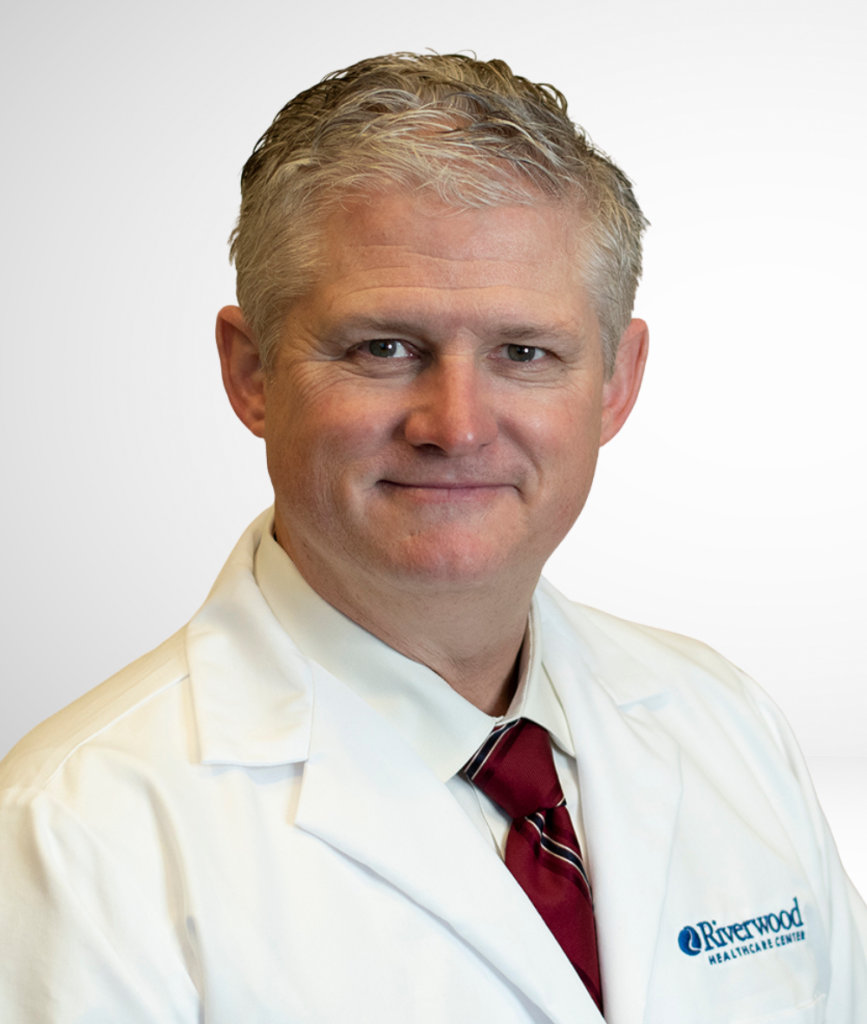
Jeffrey Klassen, MD
Dr. Klassen is fellowship trained in shoulder and elbow surgery at the Mayo Clinic. Physical therapy, medications, and/or injections are a first-line , conservative approach to care for Dr. Klassen and team. Followed by patients choice of minimally invasive arthroscopic surgery whenever possible leading to improved outcomes of less pain, shorter recovery time and smaller scars.
Shoulder Conditions We Treat
Our team of specialists understand that living with shoulder pain can impact your quality of life. Dedicated to providing exceptional individualized and compassionate care from evaluation to diagnosis to treatment, is what makes us a top choice for comprehensive shoulder care.
Our team of experts comprised of fellowship-trained surgeon, physician assistants, nurse practitioners and physical therapists work with you to develop a care plan that meets your needs. They will help return your range of motion so you can get back to living fully again, whether lifting a grandchild, reaching for a dish in your kitchen, or enjoying a game of pickleball – together, we will get you on the path to healthy and active living.
If your shoulder is dislocated, it means your upper arm bone has popped out of its socket. The shoulder is the joint that gets dislocated most often, usually due to a strong force pulling the ball of the joint away from its socket.
Shoulder impingement is when soft tissues in your shoulder pinch painfully. It occurs when these tissues rub and press against a part of your shoulder blade called the “acromion.” This can irritate both your rotator cuff tendons and a soft sac known as the “subacromial bursa.”
Shoulder instability is when the shoulder joint becomes loose. This allows your arm to move around excessively in the socket, making it prone to slipping out easily. Instability may happen due to lax ligaments that fail to hold your shoulder together tightly or due to damage to the cartilage around the shoulder socket.
Shoulders are our body’s most flexible joints, granting our arms a wide range of motion for lifting and controlling heavy objects. Many of us experience shoulder pain at some point in life.
Shoulder & elbow hyperextension occurs when the shoulder or elbow extends beyond its normal range, damaging bones and soft tissues in the joint and potentially causing dislocation or fracture.
Osteoarthritis, or degenerative arthritis, is the gradual breakdown of cartilage in the joints. In the shoulder, this condition can severely impact a person’s lifestyle.
A shoulder separation is an injury to the acromioclavicular joint (AC joint), where the collarbone (clavicle) meets the shoulder blade (scapula). It occurs when the ligaments supporting these bones stretch or tear, allowing them to move out of their normal position.
Subacromial bursitis is the inflammation of a fluid-filled sac, called the subacromial bursa, located in the shoulder between the acromion and the rotator cuff tendons. This sac acts as a cushion between bones and soft tissues. When it swells, we call it bursitis.
Frozen shoulder is a condition where your shoulder stiffens over time, restricting movement and causing discomfort. Its cause is often unclear, but it can significantly limit your ability to be active.
Muscle imbalance occurs when certain muscles in the shoulder become significantly stronger than their opposing muscles, leading to shoulder instability and difficulty with normal movement.
Biceps tendon tear is an injury where one of the tendons anchoring the biceps muscle to the bone tears partially or completely. Despite this tear, you may still be able to use your biceps muscle due to its dual tendon attachment.
Calcific tendonitis occurs when calcium deposits form in the tendons of the rotator cuff, leading to inflammation of the surrounding shoulder tissues. While it commonly affects younger individuals, it can occur at any age.
Glenoid fracture is a break in the part of the shoulder blade that forms the socket for the upper arm bone (humerus). This fracture can result in the humerus slipping out of its socket.
Scapula fracture is a break in the large, flat, triangular bone that houses the shoulder socket. Due to the protection offered by shoulder muscles, scapula fractures are rare.
Weightlifter’s shoulder is an injury resulting from overuse, primarily affecting the end of the collarbone (clavicle) and causing pain in the front of the shoulder.
Rotator cuff injuries can occur due to a hard fall, repetitive arm motions, or structural issues in the shoulder. These injuries affect the muscles and tendons that stabilize the upper arm bone in the shoulder socket.
Cubital tunnel syndrome, also known as ulnar nerve entrapment, involves compression, stretching, or irritation of the ulnar nerve at the elbow, leading to symptoms like the sensation experienced when hitting the “funny bone.”
Olecranon bursitis is the swelling of a fluid-filled sac in the back of the elbow, known as the olecranon bursa. Like other bursae in the body, it acts as a cushion between bones and soft tissues, but inflammation can cause it to swell.
Tennis (lateral) and golfer (medial) elbow, or lateral epicondylitis, is inflammation of the tendons connecting forearm muscles to the elbow, primarily causing pain on the outer side of the elbow.
Overuse injuries in the elbows are common among athletes and those engaging in repetitive arm and hand movements. Such injuries, resulting from repetitive actions, are prevalent in sports like tennis and baseball, as well as in children whose bones are still developing.
Repeated overhand throwing puts significant stress on the elbow, particularly in young athletes whose bones are still growing and who may not have learned proper throwing techniques. Let’s explore the potential damage to the elbow from such activities.
Surgical Solutions
Our fellowship-trained orthopaedic surgeon and team of specialists provide a comprehensive approach combining cutting-edge techniques with compassionate and personalized care to ensure the best possible outcomes for our patients. Whether you’re struggling with chronic pain, injury, or degenerative conditions, we’re here to guide you toward a future of strength, flexibility, and vitality for an enhanced quality of life.
Shoulder surgery repairs a tear in the rotator cuff, a group of muscles and tendons in the shoulder that stabilizes the upper arm bone in the shoulder socket.
Arthroscopic surgery is a minimally-invasive procedure used to diagnose and address shoulder joint issues. It involves inserting a specialized camera called an arthroscope to examine the joint.
Shoulder replacement, also known as shoulder arthroplasty, involves replacing damaged bone areas with metal and plastic implants to alleviate pain and restore function in the ball-and-socket joint of the shoulder. Damage to this joint can lead to pain, weakness, and stiffness. Shoulder implants come in various shapes and sizes, offering options for partial or total replacement using either anatomic or reverse implants.
Shoulder replacement surgery aims to relieve pain and address symptoms resulting from conditions such as osteoarthritis, rotator cuff injuries, fractures, rheumatoid arthritis, and osteonecrosis. These conditions can damage the shoulder joint by affecting cartilage, muscles, tendons, and bone, necessitating surgical intervention to restore function and alleviate discomfort.
A reverse total shoulder replacement involves surgically replacing damaged shoulder parts with artificial components, differing from standard shoulder replacement. This procedure addresses severe shoulder injuries, like arthritis with large rotator cuff tears, that may not be fully resolved by other treatments.
During the surgery, damaged sections of the upper arm bone and shoulder blade are removed. A plastic socket is attached to the remaining bone, and a metal ball replaces the removed section of the shoulder blade socket. This reversal of the joint’s anatomy enables the deltoid muscle to lift the arm instead of the damaged rotator cuff.
Risks associated with this surgery include infection, excess bleeding, nerve damage, bone fracture, joint dislocation, and anesthesia complications. Preparing for the surgery involves discussing medication use, dietary restrictions, and necessary imaging tests with your healthcare provider.
After the procedure, you may experience numbness and pain, requiring pain management and physical therapy. Your arm will be immobilized in a sling for several weeks, and rehabilitation will focus on gradually restoring movement and strength. Regular follow-up appointments are essential for monitoring healing and ensuring optimal recovery.
Open reduction and internal fixation (ORIF) stabilizes broken bones, like the collarbone (clavicle), by surgically realigning and securing bone fragments. This procedure is typically recommended for severe fractures where non-surgical treatments may not suffice.
The clavicle, located between the ribcage and shoulder blade, can fracture due to various injuries, resulting in misalignment or displaced bone fragments. ORIF involves surgically repositioning bone pieces and using screws, plates, or wires to stabilize them, preventing abnormal healing.
You might require ORIF if:
- Your clavicle fragments are significantly misaligned
- The fracture breaks through the skin or results in multiple pieces
Complications of ORIF include infection, nerve or blood vessel damage, bone misalignment, and hardware issues. Your doctor will assess your specific risks based on your medical history and injury severity.
Before the procedure, your doctor will conduct a physical exam and may recommend imaging tests. You’ll likely receive general anesthesia during the operation, lasting a few hours. Post-surgery, you may experience pain managed with medication, and physical therapy may be necessary to regain strength and mobility. Regular follow-up appointments are crucial for monitoring healing and addressing any concerns.
Add content here
Non-Surgical Solutions
We prioritize conservative, non-invasive approaches for managing and alleviating pain through injections, lifestyle modifications, physical therapy, or plasma injections. If your shoulder injury or condition is more serious or conservative measures fail to give you relief, your specialist will discuss next steps and together we will determine the right path of care for you. Our team of orthopaedic specialists collaborate closely with patients to identify optimal treatment paths tailored to their condition, individual requirements, and lifestyle.
Our orthopaedic team includes experienced physical and occupational therapists who coach and guide patients’ before and after surgery. Therapists help our surgery patients get up and walking on the day of surgery and set a schedule for ongoing therapy. The day after surgery patients will receive therapy in the morning and afternoon.
Our physical therapists can help with reducing pain, increasing strength, improve balance and walking, and transfers as well as learning to use mobility equipment such as crutches, canes or walkers.
Occupational therapy helps those whose lives have been disrupted by injury, disease, the aging process, or developmental problems. The fundamental goal of therapy is to use purposeful activities or interventions that will help restore independent and meaningful lives.
Non-steroidal anti-inflammatory medicines are used to relieve pain and reduce inflammation.
Steroid injections, also called corticosteroid injections, are anti-inflammatory medicines used to reduce inflammation and relieve pain. Steroid injections can be administered into joints, such as the knee to reduce inflammation and alleviate pain associated with conditions like arthritis, tendonitis, or bursitis. The injections usually take a few days to start working, although some work in a few hours. It’s important to note that steroid injections are typically used as a short-term treatment to provide temporary relief from pain and inflammation. If you are having an injection to relieve pain, it may also contain local anesthetic. This provides immediate pain relief that lasts a few hours. You should be able to go home soon after the injection.
The iovera° treatment uses targeted cold to freeze a specific nerve, forming a tiny ice ball beneath the skin. This process halts the nerve’s ability to send pain signals through a natural process known as Wallerian degeneration. The effect is temporary and does not result in permanent nerve damage. Over time, the nerve heals and regains its normal function.
Platelet Rich Plasma (PRP) injection is a regenerative treatment for treating injuries or conditions of the knee and is produced from a person’s own blood. The concentration is injected to the injured knee to accelerate the healing of the damaged tendon, ligament, muscle, joint, or bone. Platelets degranulate, releasing several growth factors and cytokines which stimulate one or more phases of tissue regeneration.
A key advantage of PRP injections is that they can reduce the need for opiods, or over-the-counter anti-inflammatory medications.
Viscosupplementation is a medical procedure used to treat osteoarthritis, particularly in the knee joint. It involves injecting a thick fluid called hyaluronic acid into the joint space to help lubricate and cushion the joint, thereby reducing pain and improving mobility. If you have tried all other non-surgical treatment methods and your pain continues to limit your activities, viscosupplementation may be an option.
The goal of viscosupplementation is to supplement the natural hyaluronic acid in the joint fluid, thereby improving lubrication, reducing friction, and relieving pain. It may also help reduce inflammation and protect the joint cartilage from further damage.
Viscosupplementation is most commonly used in individuals with mild to moderate osteoarthritis who have not responded adequately to other treatments such as oral pain medications, physical therapy, or corticosteroid injections. It is generally considered safe, although some individuals may experience temporary pain or swelling at the injection site.
Shoulder & Elbow Videos
5 Videos
0:54
0:53
1:01
0:40
0:30
Our Dedicated Team of Shoulder Experts
Abby Dingmann and Mitch Mimbach are practicing Physician Assistants working closely with Dr. Klassen in both clinic and operating room.
Erin Mason, Physician Assistant and Jeff Temple, Nurse Practitioner see patients in our Specialty Clinic in Aitkin for diagnosis, treatment, surgical consult, and post-operative care.
Erin Mason, Physician Assistant and Jeff Temple, Nurse Practitioner see patients in our Specialty Clinic in Aitkin for diagnosis, treatment, surgical consult, and post-operative care.


Schedule a visit
To schedule a visit call (218) 927-5181. During the scheduling of the visit you will be asked to review health history to gather important information and to determine next steps.
Clinic consult
A clinic consult with the orthopaedic team for evaluation of symptoms, ordering of appropriate labs, and to discuss therapies and/or injections. (conservative non-surgical approach) Initial imaging will take place prior to clinic consult.
Treatment Plan
Your treatment plan will include a team based approach to care discussing the best option for you, the patient. Both surgical and non-surgical options will be discussed along with follow-up imaging and non-surgical diagnostics \ interventions.
Real patients. Real stories.
Shoulder replacement supports active lifestyle
A year after having shoulder surgery at Riverwood Healthcare Center, Patti Erlandson is feeling great. After working for more than 30 years as a registered nurse, she retired early at age 62 because left shoulder pain interfered with her nursing job duties. Patti shares her outstanding treatment experience and outcome. “I had trouble hanging IV bags because of the achiness, soreness and range of motion difficulties I had when I raised my left arm. I was an avid golfer and had to give that up when it became too painful to swing a club. I put off having surgery until I couldn’t do my job any longer. I had been living in Brainerd but moved back to Aitkin upon my retirement. I went to Riverwood for treatment of my shoulder pain as I wanted to be close to the hospital where I would have surgery. I saw Dr. Jeffrey Klassen for treatment of my shoulder pain and had a total shoulder replacement of my left shoulder. I liked how friendly and nice Dr. Klassen was, more casual and not overly clinical in his communication style. He was truly interested in learning what was important to me as a patient, answering all my questions. I can’t say enough about the physical therapy at Riverwood, even in the middle of the Covid pandemic. My physical therapist, Brian Gehling, was great. Overall, my Riverwood care experience was very positive. Everyone was so accommodating and friendly. It is so important to follow your doctor’s directions for specific exercises after surgery. Do them as long as directed; don’t quit your exercises early. They make a big difference on how well you recover your mobility and strength. Dr. Klassen has given me permission to start golfing again by practicing small swings at first. I’ll need to work myself up to doing nine holes. I’m looking forward to returning to the golf course this summer and playing many rounds in the years ahead.”
Shoulder surgery gets patient back to lifting again
Five years ago, Lavonne Bowman of Aitkin had right shoulder surgery with Dr. Jeffrey Klassen, orthopaedic surgeon, in Duluth. When she needed to have her left shoulder repaired, she was thrilled to find that Dr. Klassen had relocated his practice to Riverwood Healthcare Center in Aitkin. “I lived with pain in both shoulders for about 25 years,” Lavonne explained. “Not being able use my arms was horrible. I couldn’t scrub my back or do so many activities of daily living.” Lavonne worked for 3M in the engineering department for about 20 years. During this time her arms got a real work out with lots of heavy lifting that strained her shoulder joints. To help manage her shoulder pain prior to surgery, Lavonne got physical therapy from Marc Carley at Riverwood’s Garrison outpatient services facility. Lavonne added: “Marc gave me exercises to do that helped me manage the pain until I could have surgery. After my recent shoulder surgery, I was able to go walking with my walking sticks in the Lost 40 on my 85th birthday! I have no shoulder pain now. It’s unbelievable. Now I can pick up my 2-year-old twin great grandchildren and hug them. Dr. Klassen is my hero! Thanks to him my quality of life is so much better!”